
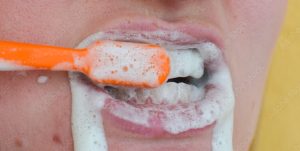
The Non-Foaming Toothpaste Revolution: How TartarEnd® Does What Foaming Toothpastes Never Could
For decades, consumers have trusted foaming toothpastes to protect their teeth and gums—yet these products cannot reach the real source of periodontal disease: plaque, tartar, and bacteria hidden deep below the gumline. Foam creates the feeling of cleaning, but it can’t penetrate gum pockets, dissolve hardened tartar deposits, or stop

Why Don’t Many Dentists Recommend TartarEnd® toothpaste …….. Yet!
TartarEnd® is new dental technology, first available to the public in 2019. It works differently from traditional toothpaste by penetrating, softening, and dissolving tartar so it can be brushed away at home — something patients can see for themselves. It meets FDA regulations and is registered with Health Canada, the

The Connection Between Sugar & Dental Tartar
Everyone loves a sweet treat, right? Whether it’s chocolate, cake or your favourite candy, those sugary indulgences bring temporary moments of joy to many people! But there’s a huge downside that many don’t realize… The direct connection between those treats and stubborn tartar buildup on your teeth. While most people
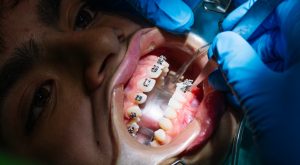
The Braces-Friendly Approach to Eliminating Tartar Build-Up
Having braces is a commitment to achieving a beautiful, aligned smile, but it also creates its own set of unique challenges when it comes to oral hygiene. One of the most persistent issues braces wearers face is tartar buildup. The brackets, wires, and bands create countless tiny spaces where food

Smoking, Vaping & Tartar, The Hidden Dental Damage
Smoking and vaping affect a lot more than just your lungs. These habits can wreak havoc on your oral health, causing everything from unsightly tartar buildup to serious periodontal disease. As dentists and oral health specialists have observed for decades, tobacco users consistently face more dental health challenges than non-smokers. When you smoke or vape, the chemicals in tobacco and

The Critical Differences Between Plaque, Tartar, and Cavities
Many people use the terms plaque, tartar, and cavities interchangeably, but these are distinct oral health issues that progress from one to another. Understanding the difference between these conditions is crucial for maintaining optimal dental health and preventing serious complications. As dental health experts, we’ll break down each condition, explain how they develop, and show you why preventing them at
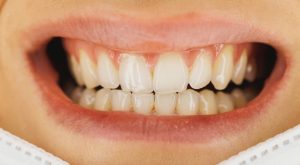
10 Habits You Can Do Everyday To Protect Your Teeth & Gums
Your smile is a lot more than just an expression. it’s a vital part of your health and well-being, and while regular dental visits are important, what you do every day is what makes the biggest impact on your oral health. The good news is that protecting your teeth doesn’t require expensive treatments or complicated routines. If you can stick

How Tartar Buildup Causes Bad Breath and How to Fight It
Do you find yourself reaching for mints throughout the day despite brushing your teeth regularly? The culprit behind your persistent bad breath might be hiding in plain sight: tartar buildup on your teeth. While many people understand that oral hygiene affects breath freshness, fewer realize just how significantly tartar and plaque contribute to halitosis (the medical term for bad breath).

What is Tartar on Teeth and How Can I Prevent It?
Have you ever run your tongue across your teeth and felt an uncomfortably rough, chalky buildup that won’t budge, even after brushing your teeth? Well, you’re not alone. This stubborn substance, known as tartar or dental calculus, is a common dental health problem that affects more than 68% of people worldwide. Even if you brush and floss twice a day,

Brush Away Periodontal Disease with TartarEnd® toothpaste at home
TartarEnd® toothpaste removes tartar, plaque, and lactic acid above and below the gumline. Daily brushing and flossing stop bleeding gums, cavities, gingivitis, and periodontal disease. Reviewed by Dr. Christopher Tai, D.M.D. Wilmington, DE. If you have bleeding gums, cavities, tooth loss, gingivitis, or periodontal disease, then you are likely searching for solutions to your dental problems. Searching for “how to